%20(1).png)
Regenerative Medicine: A Path to Healing with Regenerative Therapy Benefits

Living with pain can be tough. Whether it’s from an injury, surgery, or a chronic condition, pain affects every part of life. I’ve learned that there is hope beyond pills and invasive procedures. Regenerative medicine offers a new path to healing. It focuses on helping the body repair itself naturally. This approach is changing how we think about pain relief and recovery.
Regenerative therapy benefits are many. They include faster healing, less pain, and fewer side effects. In this post, I want to share what I’ve discovered about regenerative medicine. I’ll explain how it works, the types available, and why it might be the right choice for you. If you want to avoid surgery or long-term medication, keep reading. This could be the breakthrough you’ve been waiting for.
Understanding Regenerative Therapy Benefits
Regenerative therapy benefits go beyond just pain relief. This type of treatment helps your body heal damaged tissues. It uses your own cells or natural substances to boost repair. The goal is to restore function and reduce pain without surgery.
One big benefit is that regenerative therapy is non-invasive. That means no cuts, no long hospital stays, and less risk of complications. Many people find they can return to their normal activities faster. Plus, because it uses your body’s own healing power, side effects are usually mild or rare.
For example, SoftWave Therapy is a cutting-edge treatment that uses sound waves to stimulate healing. It’s offered at a regenerative medicine clinic near you. This therapy can help with joint pain, tendon injuries, and even nerve damage. Patients often report feeling less pain and more mobility after just a few sessions.
Other regenerative therapy benefits include:
Reduced inflammation
Improved blood flow
Enhanced tissue regeneration
Lower dependence on pain medications
These benefits make regenerative medicine a promising option for many people dealing with pain.
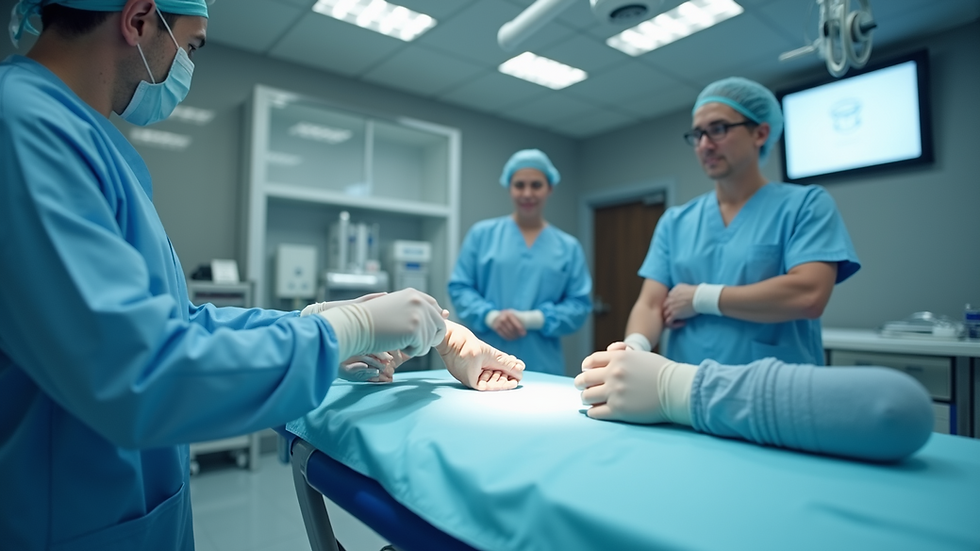
Medical equipment used in regenerative therapy to promote healing
How Regenerative Medicine Works
Regenerative medicine works by encouraging your body to heal itself. When you get hurt, your body naturally tries to fix the damage. Sometimes, this process is slow or incomplete. Regenerative treatments give your body a boost to speed up healing.
There are different ways to do this. Some treatments use stem cells, which can turn into many types of cells your body needs. Others use platelet-rich plasma (PRP), which is made from your own blood and contains growth factors that help repair tissues.
SoftWave Therapy, for example, uses sound waves to stimulate cells. These waves increase blood flow and reduce inflammation. This creates a better environment for healing. The therapy is painless and usually takes less than 30 minutes per session.
The key is that regenerative medicine supports natural healing. It doesn’t mask pain like some drugs do. Instead, it helps fix the root cause of the pain. This means longer-lasting relief and better overall health.
What are the 4 types of regenerative medicine?
There are four main types of regenerative medicine that you should know about:
Stem Cell Therapy
Stem cells can develop into different types of cells. They help replace damaged tissues and promote healing. This therapy is used for joint pain, cartilage repair, and some nerve injuries.
Platelet-Rich Plasma (PRP) Therapy
PRP uses your own blood, which is spun in a machine to concentrate platelets. These platelets release growth factors that speed up tissue repair. PRP is common for tendon injuries, arthritis, and muscle strains.
Tissue Engineering
This involves growing tissues in a lab to replace damaged parts of the body. It’s still mostly experimental but shows promise for skin, bone, and cartilage repair.
Growth Factor Therapy
Growth factors are natural proteins that help cells grow and heal. This therapy uses these proteins to stimulate tissue repair and reduce inflammation.
Each type has its own uses and benefits. A regenerative medicine clinic can help determine which therapy fits your needs best.

Treatment room at a regenerative medicine clinic offering regenerative therapies
Who Can Benefit from Regenerative Medicine?
Regenerative medicine is not just for athletes or people with severe injuries. Many individuals with chronic or acute pain can benefit. If you have joint pain, arthritis, tendonitis, or nerve pain, regenerative therapy might help.
People who want to avoid surgery or reduce their use of pain medications often turn to regenerative treatments. These therapies can be especially helpful for those who have tried other treatments without success.
For example, someone with knee osteoarthritis might find relief with PRP or stem cell therapy. A person with a sports injury could heal faster with SoftWave Therapy. Even those with back pain or neuropathy may see improvements.
The best way to find out if regenerative medicine is right for you is to consult with a specialist. They can evaluate your condition and recommend the best treatment plan.
Taking the Next Step Toward Healing
If you’re ready to explore regenerative medicine, start by finding a trusted provider. A regenerative medicine clinic with experience in these therapies can guide you through the process.
Here are some tips to get started:
Research local clinics that offer regenerative therapies. Look for reviews and patient testimonials.
Schedule a consultation to discuss your pain and treatment options.
Ask about the types of therapies they offer and which might suit your condition.
Understand the treatment plan, including the number of sessions and expected outcomes.
Check if your insurance covers any part of the treatment or if there are financing options.
Remember, healing takes time. Regenerative medicine supports your body’s natural process, but patience and follow-up care are important.
Regenerative medicine is a powerful path to healing. It offers real hope for those living with pain. With its many regenerative therapy benefits, it can help you regain your quality of life. If you want to avoid surgery and medication, consider this innovative approach. Your body has the power to heal - sometimes it just needs a little help.


Comments